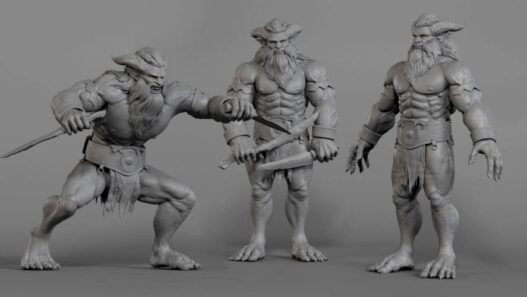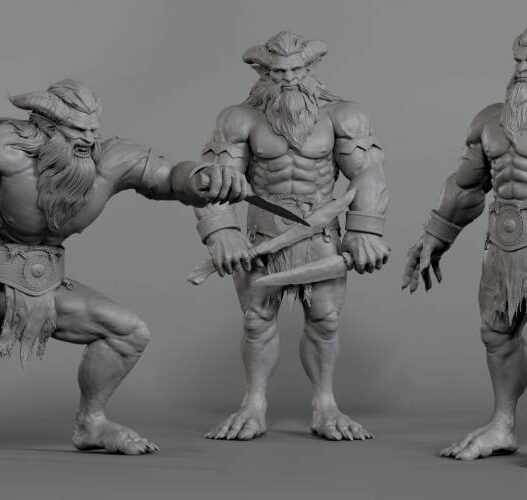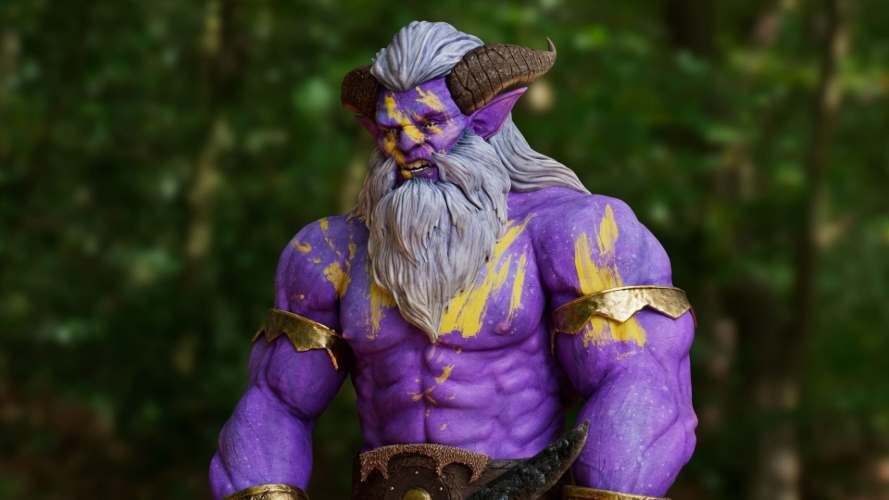
FXPHD – MAR203 – Bipedal Creature Texturing Free Download
AD
Creature texturing is where a character stops looking like a 3D model and starts looking alive. Modeling gives shape. Sculpting gives detail. But texturing gives history, biology, age, dirt, scars, and realism.
That is exactly what FXPHD MAR203 – Bipedal Creature Texturing focuses on.
This course is built for artists who want to understand how professional creature texturing is actually done in production, especially for film and high-end VFX. Instead of surface-level painting tricks, this course goes deep into building a full creature texture pipeline from planning to final maps.
Official course page:
https://www.fxphd.com/details/715/
What This Course Actually Is
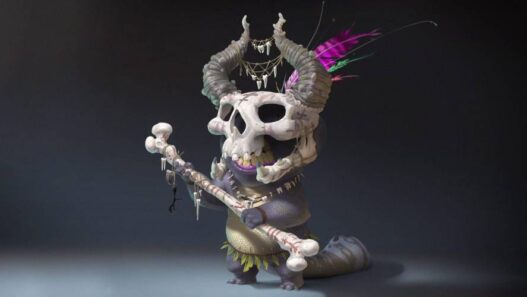
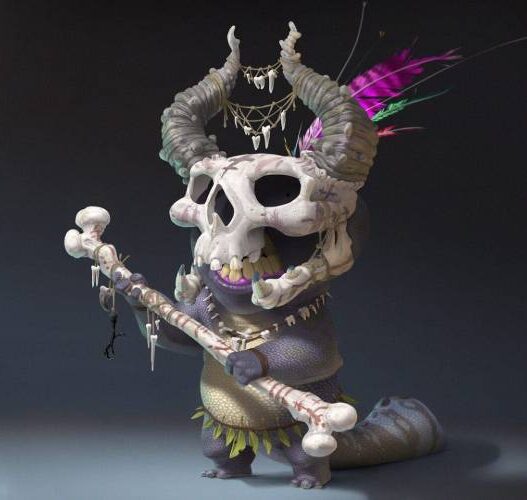
MAR203 is an advanced creature texturing course from FXPHD focused on building a complete humanoid creature texture set using industry-standard workflows.
The course is taught by Nastasia Bois, and it runs for nearly 6 hours of structured content. The main software used is Mari, with support from Substance 3D Painter for utility maps and base material preparation.
This is not a beginner painting course. It is built around production-level asset texturing.
Core focus includes:
- Skin texturing
- Horn and claw texturing
- Hair texturing
- Eye detailing
- Mouth and gum detailing
- SSS and roughness workflows
That makes it a full creature surfacing course.
The Core Idea: Texture Like a Creature Artist
A lot of beginner texturing tutorials focus too much on painting colors.
That is not how real creature texturing works.
Real creature texturing is about understanding materials.
Skin is not just pink.
Horns are not just brown.
Eyes are not just glossy.
Every surface has layers of information:
- Color variation
- Roughness breakup
- Specular behavior
- Subsurface scattering
- Micro detail
This course teaches that mindset.
That is the biggest value.
Mari as the Main Software
The core workflow is built in Mari, which is still one of the strongest texture painting tools for film assets.
Mari is built for huge texture sets, UDIM workflows, and heavy asset management.
That makes it ideal for creatures.
The course teaches:
- Project setup
- UDIM management
- Utility map organization
- Layered texturing workflow
That alone makes it useful for artists transitioning into film pipelines.
Mari is the real production-standard part of this course.
Material Breakdown (The Strongest Part)
One of the best parts of the course is material separation.
Instead of painting the creature as one object, it breaks the asset into logical materials.
That includes:
- Skin
- Hair
- Horns
- Claws
- Eyes
- Inner mouth
Each material behaves differently.
That sounds obvious, but most beginner artists treat everything too similarly.
This course fixes that.
It teaches how each surface should react to light and how to build texture maps accordingly.
That is production thinking.
Texture Maps Covered
The course covers all the major maps required for film-quality creature rendering.
Not just color.
Actual full surfacing.
Main maps include:
- Diffuse maps
- Specular maps
- Roughness maps
- Normal maps
- Subsurface scattering maps
That is important because creature realism depends heavily on how these maps work together, not individually.
This is proper surfacing workflow.
Substance Painter Support
While Mari is the main software, Substance 3D Painter is also used for utility preparation and base materials.
That gives flexibility.
This is practical because many artists already know Substance but want to move into Mari workflows.
The combination makes the pipeline easier to understand.
That bridge is useful.
Especially for game artists moving into film.
Who Should Take This Course
This course is strongest for artists already comfortable with basic texturing.
Best suited for:
- Creature artists
- Texture artists
- Lookdev artists
- Character surfacing artists
- Film pipeline artists
If you are a beginner, this may feel heavy.
It assumes some understanding of texture workflows already.
Limitations (Be Real About It)
This is a focused course.
It teaches creature texturing, not full lookdev.
That means:
- No full rendering pipeline
- Limited shader-building coverage
- Mari-focused workflow
- Requires creature assets to practice properly
It is specialized.
But that is why it works.
Final Thoughts
FXPHD MAR203 is a strong course because it teaches actual creature surfacing workflows instead of simplified painting tutorials.
That matters.
Creature texturing is about material understanding, not brush strokes.
And this course gets that right.
If your goal is film creature work, digital doubles, or production-level surfacing, this course is worth studying.
For casual texturing? Probably too deep.
For serious creature artists? Very solid.
FXPHD – MAR203 – Bipedal Creature Texturing Free Download
https://zeroupload.com/56039bd4015ca06ea6f8a933853893a3
https://filekeeper.net/vdv23qtnwkr7/FXPHD_BipedalTex_DownloadPirate.com.rar
https://pixeldrain.com/l/MboAeiJ8
https://buzzheavier.com/ut5ggecgmhmq
Those who sell pirated content are losers.
If you're paying for pirated content, you're the biggest loser.
Please read the FAQ if you need basic help.
Use VPN &
FDM if you have download problems.
AD