Coloso – 100-Chapter Guide to Overcoming Creative Blocks in Anime-Style Illustration Free Download
AD
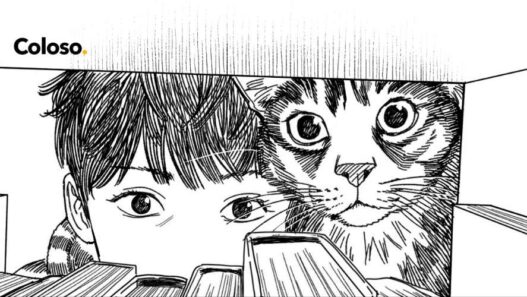
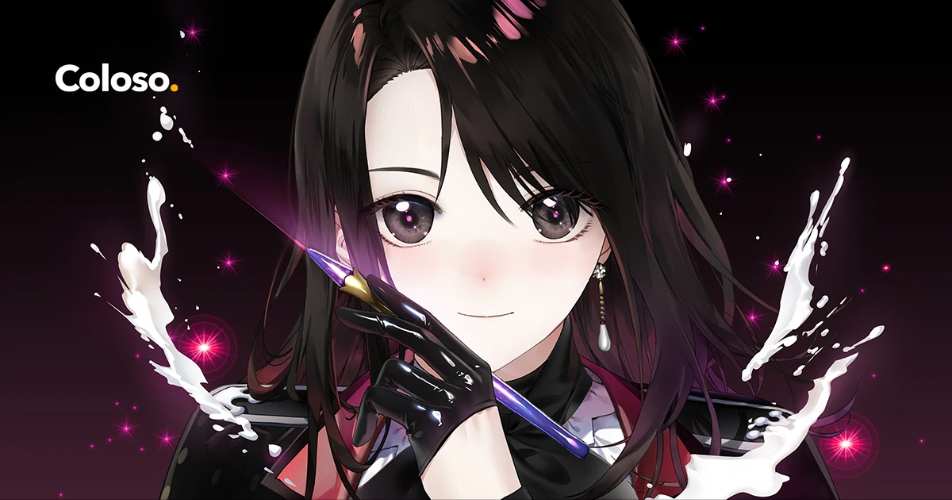
Improving at anime-style illustration is not simply a matter of drawing more often. Artists can spend years practising while still struggling with the same recurring problems: anatomy that feels unnatural, poses that lack movement, colours that look repetitive, weak lighting, flat backgrounds, or compositions that fail to create a strong impression. 100-Chapter Guide to Overcoming Creative Blocks in Anime-Style Illustration by illustrator Macciatto is designed to address those problems systematically through 100 focused chapters covering drawing, colour, light, texture, perspective, composition, and artistic self-management.
The course is presented as an advanced program with 100 videos totaling 49 hours and 12 minutes. Its structure is based around identifying common mistakes and then practising specific techniques to correct them, rather than simply copying the instructor’s finished artwork.
What Is the 100-Chapter Anime Illustration Course?
This Coloso course is a comprehensive anime-style illustration program created by Macciatto, a freelance illustrator with more than ten years of experience working across games, animation, webtoons, VTuber projects, and other illustration work. The curriculum is divided into four broad areas: character drawing, light and colour, composition and three-dimensionality, and overcoming creative slumps.
The course is designed for artists who want to improve their existing anime-style work while developing a more individual visual style. It combines theory with practical exercises, error notes, self-assessment checklists, and downloadable practice resources.
Drawing More Attractive Anime Characters
The first section contains chapters on faces, bodies, and dynamic poses. Rather than focusing only on facial proportions, the lessons examine how to make anime characters more visually appealing while maintaining believable three-dimensional structure.
Students study heads from different angles, eye shapes, facial features, jawlines, necks, profiles, gazes, and hair and eye colouring. The anatomy section moves through shoulders, waists, chest, pelvis, hips, limbs, hands, feet, and other major landmarks for both male and female characters.
Dynamic-pose lessons then address common mistakes that cause figures to lose movement, including problems with running, crouching, sitting, shoulder placement, limbs, and hands holding objects.
Build Better Colour Palettes
The second major section focuses on colour and lighting. It addresses common problems such as using too many colours, choosing colours that clash, and making adjustments that unintentionally damage brightness.
Students learn about colour temperature, complementary relationships, palette selection, brightness control, and techniques for changing colours while preserving their overall value structure. The course also explores how to create more vibrant illustrations without simply increasing saturation.
For the complete curriculum, included materials, instructor details, and current enrollment information, visit the Official Coloso course page.
Master Light, Shadow and Texture
The lighting section focuses on creating clearer three-dimensionality using form shadows, cast shadows, and occlusion shadows. Students also examine backlighting, shadow quantity, and methods for using shading to emphasise form, colour, and texture.
The lighting lessons cover natural light colours, warm and cool relationships, different types of illumination, and ways to avoid overly bright or washed-out colours.
Texture lessons extend these ideas into reflected light, specular highlights, glossy surfaces, transparent objects such as water droplets, translucent gemstones, and translucent fabrics.
Improve Perspective and Depth
The third part of the curriculum concentrates on perspective, visual density, depth, and spatial design. Students explore aerial perspective, focus changes with distance, and methods for refining illustrations without simply adding more detail everywhere.
The course also explains vanishing points, eye level, angle of view, perspective for characters, and techniques for creating convincing depth. One particularly useful topic is the use of deliberately manipulated or “fake” perspective to make an illustration feel more immersive.
Create More Effective Compositions
Composition lessons examine how an illustration establishes a strong first impression. Students learn how contrast can be created through situations, spaces and lines, density, colour, and light.
The curriculum also addresses common compositional mistakes and explains how different visual elements can guide attention. Instead of treating composition as a rigid set of rules, the course connects these ideas to the intended mood and storytelling purpose of an illustration.
Develop Your Own Artistic Style
A recurring theme throughout the course is learning to improve without simply copying another artist. Macciatto’s approach emphasises understanding why an illustration works and then adapting those principles to an individual’s preferred anime style.
Class materials include error notes, summary materials, checklists, and hands-on exercises designed to help students evaluate their own work. This makes the course suitable for self-taught artists who want a more structured way to identify weaknesses.
Overcome Creative Slumps
The final section moves beyond drawing technique and focuses on the psychological and practical challenges that can interfere with consistent creative work.
The lessons cover what to do when an artist cannot draw, feels that their work is not appreciated, believes their skills are not improving, worries about falling behind, or struggles to balance individuality with popularity. There is also discussion of social media, artistic reputation, serious practice, and routines for getting through periods of reduced motivation.
Included Materials and Software
Coloso provides 16 practice materials, including guides for cuboid angles, facial shapes for Clip Studio, and anatomy resources. Class summary notes and other study materials are also included.
The required software is Clip Studio Paint 2.2.1 in English, which students need to purchase separately. The current Coloso listing also provides English course materials, with English subtitles and auto-generated Traditional Chinese and Spanish subtitles.
Who Should Take This Course?
The course is aimed at beginner-to-intermediate learners who want to identify and fix weaknesses in anime-style illustration, although Coloso classifies the overall program as advanced. It is particularly relevant to artists struggling with anatomy, colour, perspective, lighting, or developing a distinctive style.
It is also useful for self-taught artists who want structured exercises and a systematic way to review their own mistakes.
Final Thoughts
100-Chapter Guide to Overcoming Creative Blocks in Anime-Style Illustration is a broad anime illustration program that combines technical drawing education with practical self-assessment. Its 100 chapters cover attractive character construction, anatomy, dynamic poses, colour, shadows, lighting, transparency, perspective, composition, and creative slumps.
With nearly 50 hours of content and a strong emphasis on identifying common errors, the course is designed around understanding the reasons an illustration may feel weak rather than simply reproducing a particular artist’s style. For artists looking to strengthen their fundamentals while developing a more intentional and personal approach to anime-style illustration, the curriculum provides a structured path through many of the problems that commonly slow artistic progress.
Coloso anime illustration course, Macciatto illustration course, anime drawing course, anime character drawing, anime anatomy course, dynamic pose drawing, anime colouring course, anime lighting tutorial, anime perspective course, Clip Studio Paint illustration
Coloso – 100-Chapter Guide to Overcoming Creative Blocks in Anime-Style Illustration Free Download
https://pixeldrain.com/l/HFXzejat
Those who sell pirated content are losers.
If you're paying for pirated content, you're the biggest loser.
Please read the FAQ if you need basic help.
Use VPN &
FDM if you have download problems.
AD